
A bloody tradition
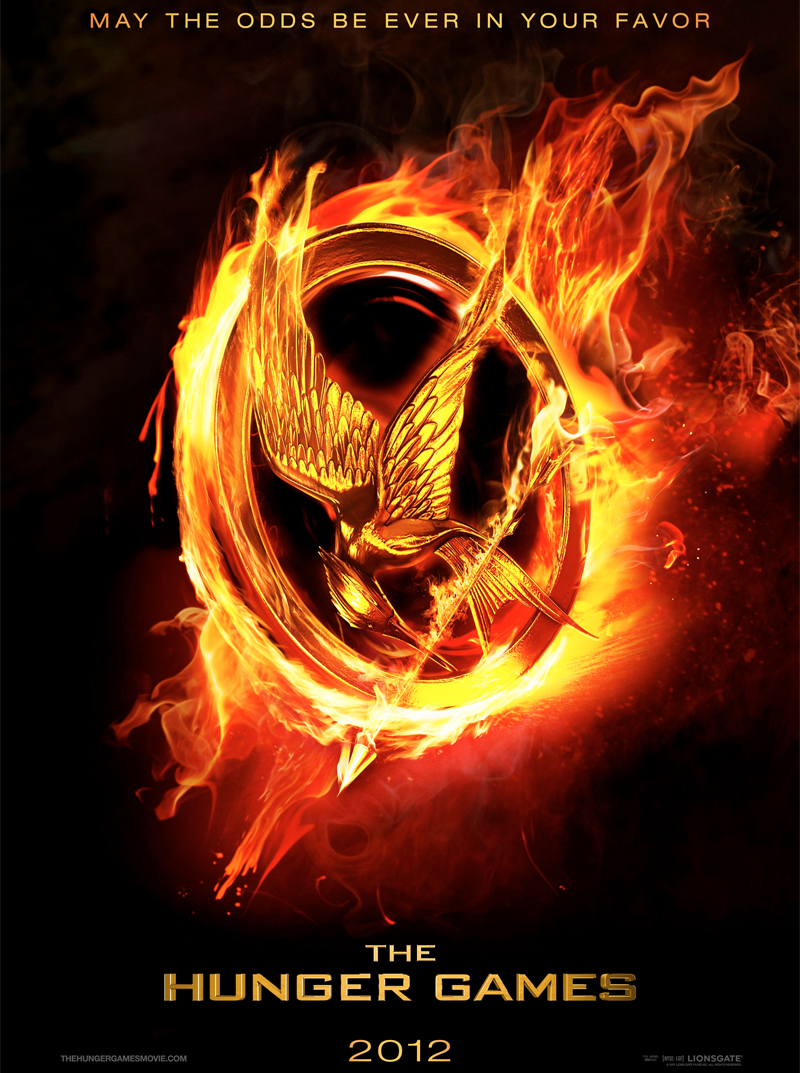
Hey, so I finally saw The Hunger Games. See, when it first premiered I thought to myself “That looks a little Twilight-ish, but I really should see it so I can have an opinion.” Then, as it was on its way out of the cinemas, I thought “People say that it’s better than Twilight, so maybe I should watch it on DVD to see how much better…”. Then when it came out on DVD I thought “Ok, this has gone on long enough! It’s about time that I illegally download The Hunger Games and watch it once and for all!”
So now I have. Yay, go me! Procrastination? Yes. Incomplete goals? No. Plot? As follows:
“Set in a future where the Capitol selects a boy and girl from the twelve districts to fight to the death on live television, Katniss Everdeen volunteers to take her younger sister’s place for the latest match.”
– IMDB
So how much did I like it?
Well first we have to address the history of the film. I’m sorry to all the Hunger Games fans out there because you’ve probably heard the Pulp Fiction joke a million times by now. In case you haven’t, it goes like this:
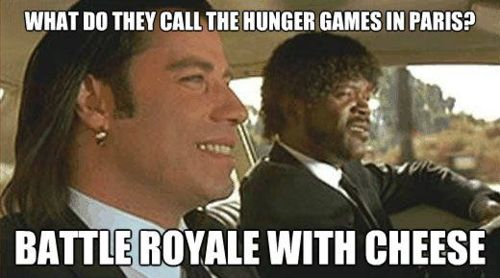
…and for those of you who have no idea what that’s a reference to, there was a Japanese novel published in 1999 called Battle Royale. It concerned a near future in which selected classes of children were forced to fight and kill each other until there was only one survivor.
So yeah, it’s a little similar.
Then in 2000 there was a movie…
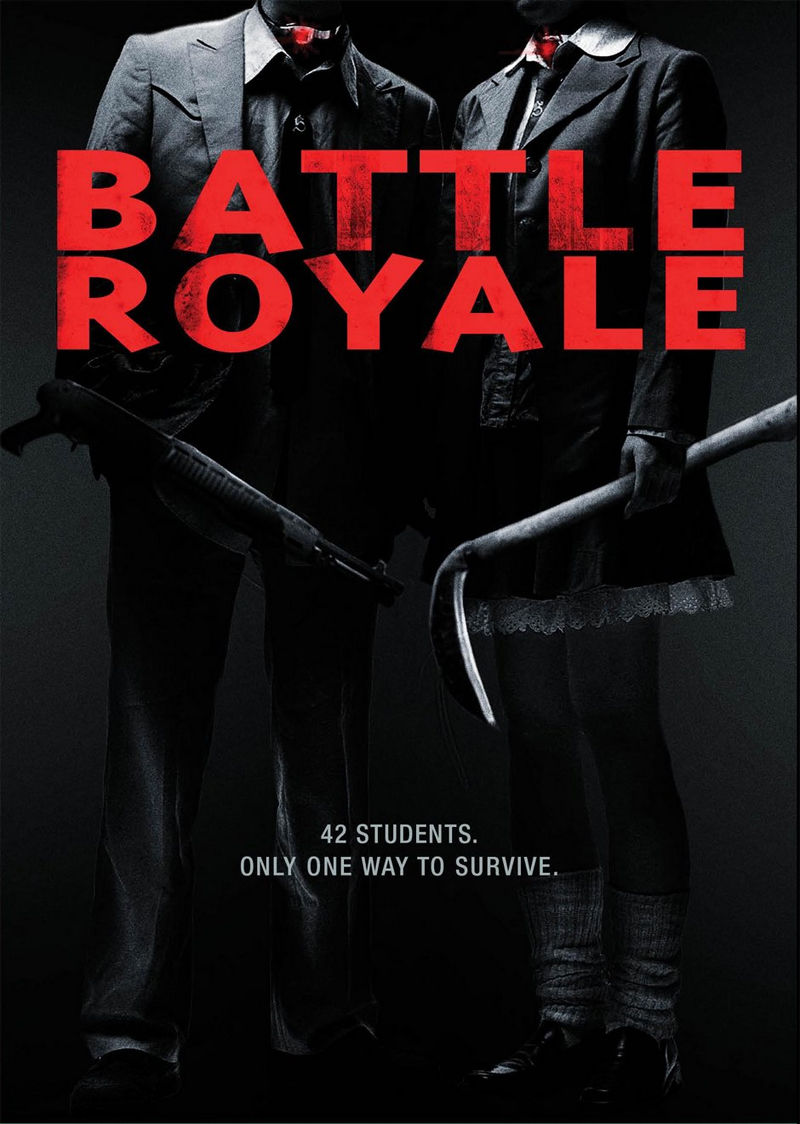
…and it was pretty good. That’s why The Hunger Games has constantly been on the receiving end of a plagiarism accusation. The author claims to never have read Battle Royale and that all similarities are coincidental. I have to admit that, while I was watching it, I couldn’t help but see the “coincidental” overlapping of plot between the two. The setting, style, and tone are all the same as well. Still…
To all those out there who think it’s a blatant rip off of Battle Royale, I have news for you: Battle Royale is a rip off of The Running Man!
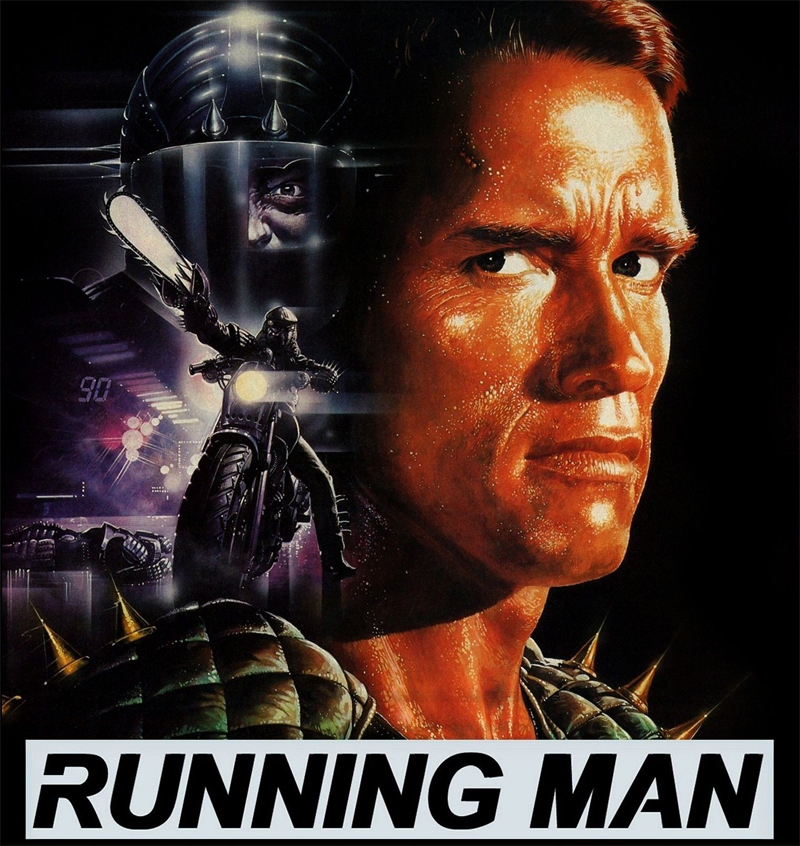
How many people out there have seen The Running Man? Didn’t think so, but remember; just cause a movie like Battle Royale seems original to you, doesn’t mean it is. The Running Man is about as far removed from Battle Royale as Battle Royale is from The Hunger Games. All we’re doing is taking one more step back in film history here folks…
“In the future, a wrongly-convicted man must try to survive a public execution gauntlet staged as a TV game show.”
– IMDB
The “future” we’re talking about is the year 2019, so that’s about 6 and a half years from now. Sweet, I’m looking forward to the resurgence of Gladiatorial games in the 21st century and will be excited to see it happen in my lifetime! Now we just have to get those pesky flying cars and personal robots invented and we’ll finally be living in the future that the 1980’s predicted for us.
It was originally a novel written in 1982 by Stephen King under the psuedonym Richard Bachman (Why? I don’t know, maybe just because he could), and was then made into a movie with Arnold Schwarzenegger in the lead.
The part of this film that truly reminds me of The Hunger Games is the role that television plays in the overall commentary. The violent battles that Schwarzenegger has to survive are broadcast for the whole world to cheer and boo at. I’m glad reality television hasn’t sunk to such a morally corrupt level yet, but in a world where the TV cameras are pointed squarely at The Jersey Shore and Honey Boo Boo Child, I’m not sure there’s too much further to go.
Speaking of “not too much further to go”, we’re almost at the end of our journey of inspiration. All of these movies, all of them, are traceable to one original source. It’s not a movie, nor a novel, but instead a short story…

The Most Dangerous Game is a 46-page story, published in 1924, by Richard Connell about a big-game hunter who washes up on the shores of a Caribbean island. There he meets a crazy Cossack aristocrat, named General Zaroff, who declares that he wishes to hunt him like an animal and subsequently releases him into the wilds of the local jungle. Zaroff then proceeds to stalk the protagonist through the bush in an attempt to challenge his own hunting skills. The title is a double entendre referring to both the danger of the hunt aswell as the true most dangerous game – man!
If elements of this story or these characters sound familiar it’s most likely because they are. Have you ever seen Jumanji?

That’s right! This single story continues to inspire novelists and moviemakers to this day. I’m not sure why; perhaps it’s the revealing nature of pitting man against himself or the irony of its similarity to so many of humanities violent activities that we consider trivial. Something about The Most Dangerous Game inspires people to re-imagine it time and time again for each new generation.
The point I’m trying to get at is that none of these movies are rip-offs, they’re remixes. Stories are retold over and over in several different forms, that’s how they stay alive. The Hunger Games is just another stroke in the dotted line that stretches forever into the sunset. Please stop shouting about how similar it is to everything else. Everything is similar to everything else. We live in an age where even the concept of a “remake” has been remade into a “reboot”. Studios nowadays don’t fix the blunder of a bad film by making a better one, but instead they just make the old one again. Didn’t like Spider Man? How about The Amazing Spiderman? We’re going to have to get used to this people, and in a world of remakes of remakes of remakes- an american remix of Battle Royale for the teenage audience isn’t exactly the most offensive thing imaginable. If you want to get riled up about plagiarism, turn your attention to things like Christopher Paolini’s Inheritance Cycle. That is outright plagiarism!

Alright, I will. I thought The Hunger Games was alright. I still prefer the goriness of Battle Royale, because it’s more adult, but I have to say that this was no Disney movie. I was surprised by just how bloody certain scenes were, considering the target audience. Even more important than that; the overall tone is very grueling. You definitely don’t have the continuously assured feeling that “it’s all going to be alright in the end.”
What didn’t work? First of all the Tim Burton’s Alice In Wonderland clothing style of the upper class districts was weird. Not cool and creative…just weird. Why are people in the future caking themselves is pasty white makeup and donning clown outfits?

If the future of the wealthy looks like a 15-year-old girls Halloween party then I’ll settle for middle or lower class, thank you. It’s like some sort of alternate universe where the ridiculous costumes we see on the runway are actually worn in day to day life. I give them props for taking the fashion sense of the future into consideration but I just didn’t buy it. What else didn’t I buy? Oh yeah…
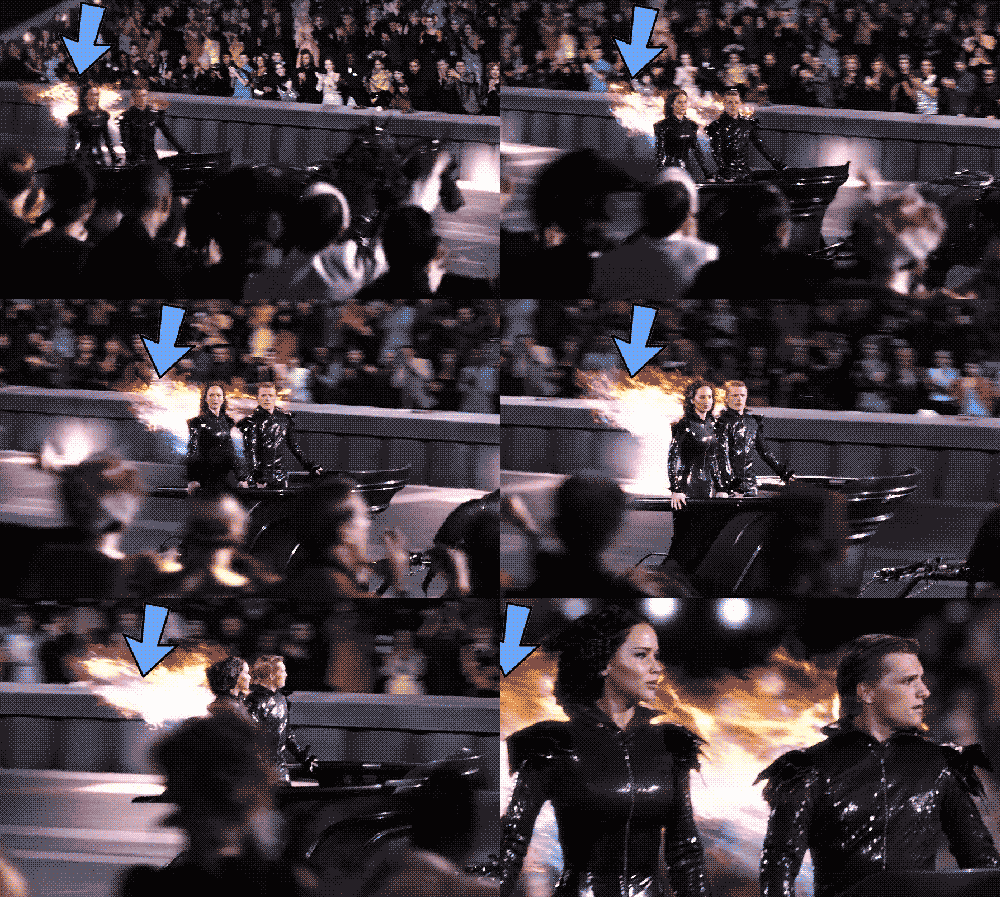
Note to the filmmakers: FIRE DOES NOT LOOK LIKE THIS!
I know that in the movie it’s implied that the flames are fake somehow, but come on! Even as Katniss is running through the woods, dodging fireballs, the VFX people never bother to try and make it look real. But hey, just because I didn’t buy it doesn’t mean that you can’t. It’s just that when you do it’ll look like this:
*ba-dum–bum-CHING*!!!
Ok fine, I promise that I’m almost done ripping on it, just one final thing; what the hell is the point of…
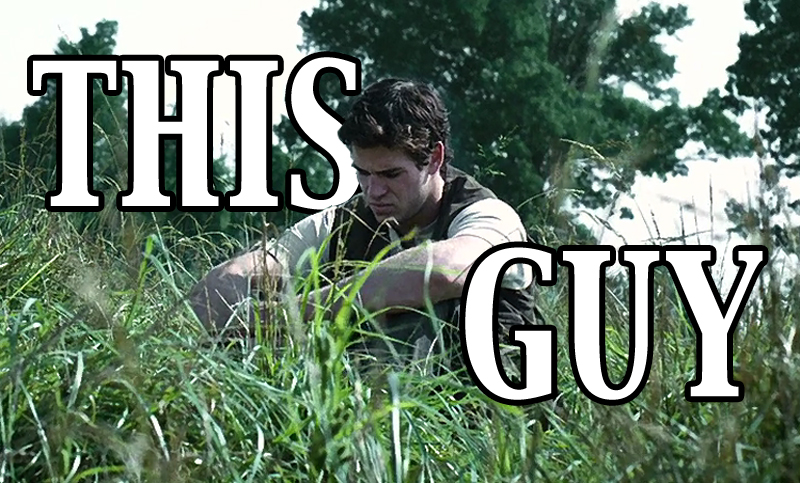
Liam Hemsworth is on screen for about 5 minutes at the beginning of this movie – and then just spends the rest of the time sobbing in a field. Apparently he plays a bigger part in the next instalment, but boy is he a waste of celluloid in this one!
The opposite of this would be Woody Harrelson, who’s character I found charming, well rounded, and of course properly acted.
Jennifer Lawrence, Wes Bentley, and Stanley Tucci also do impressive work. There’s been some hate wafted in the direction of Elizabeth Banks for her portrayal of Effie Trinket. I won’t stand for this! Elizabeth Banks should be displayed in a museum somewhere on account of her rarity. She’s a beautiful woman who’s also insanely funny, with a a great ability to laugh at herself and have fun. Besides, anyone who eagerly partook in James Gunn’s Slither gets an instant pass from me for the rest of their career!
I was going to say something about Lenny Kravitz and acting but the two can’t stand to be seen in the same sentence together, let alone an entire film.
So I didn’t love it, but I didn’t hate it. It was a notch above Twilight and The Vampire Diaries, but still a couple notches below Battle Royale.
Rant Over!
The end of a reel
The fun never stops here on Cinema Rant. First I wrote about the bizarre suicide of Tony Scott and now there’s been a significantly sudden death in my own family, so things will remain a little heavy for the time being. Sorry about that. This post will probably be a little more personal, messy, existential, cosmic, philosophical, scientific, religiously-oriented, emotional, and probably even a little more pretentious than anything I’ve written here before. – so please bear with me. You’ll have to be a little forgiving of the ambiguity, but I don’t feel that this is the place to divulge any fine details on the matter. All you need to know in order to understand my motivation behind this dense and unrestrained slab of text is that someone, who was much loved, recently concluded their time on this earth after going toe-to-toe with cancer for a number of years.
A lot of sadness is boiling in another part of the world because of this, far removed from me. That’s not to say that I’m entirely cut off from it, just that there is a physical isolation. There are a lot of condolences being given and although I will certainly give mine, I have to be honest and say that I find death to be a simultaneously baffling and awkward affair.
I wasn’t really sure where to go with this. After someone dies do you “not talk about it” and risk creating an atmosphere of insensitivity, or do you “discuss it” and gamble on the possibility that your dwelling on the subject might be preventing fresh wounds from healing? Well, those who know me well know that my preference lies in the realm of dialogue and debate. I don’t think much is achieved from a philosophy of silence. We can only grow in our understanding as a society by taking a long hard look at every facet of life, including those we don’t like and don’t understand – like death.

The greatest villain of all time, or at least that’s how we usually perceive it. Death, as we emotionally grasp it, is the immaterial and inescapable void that all-too-often permanently separates us from each other. We can’t stop it or negotiate with it. Some see it as a positive being; a creature that somehow strikes in the night and callously takes from us – where as others see it as a simply a negative, an absence; the empty space between lives. What is death? Is there an afterlife? What is the experience of dying like? 200,000 years of human history, art, science, and religion – and no one has answers, just opinions. I’m afraid I’m no different (I know, weird right?), but not having answers to something never stopped me from flapping my mouth before. So what are the opinions? What does, say, the world of cinematic art have to say about death?
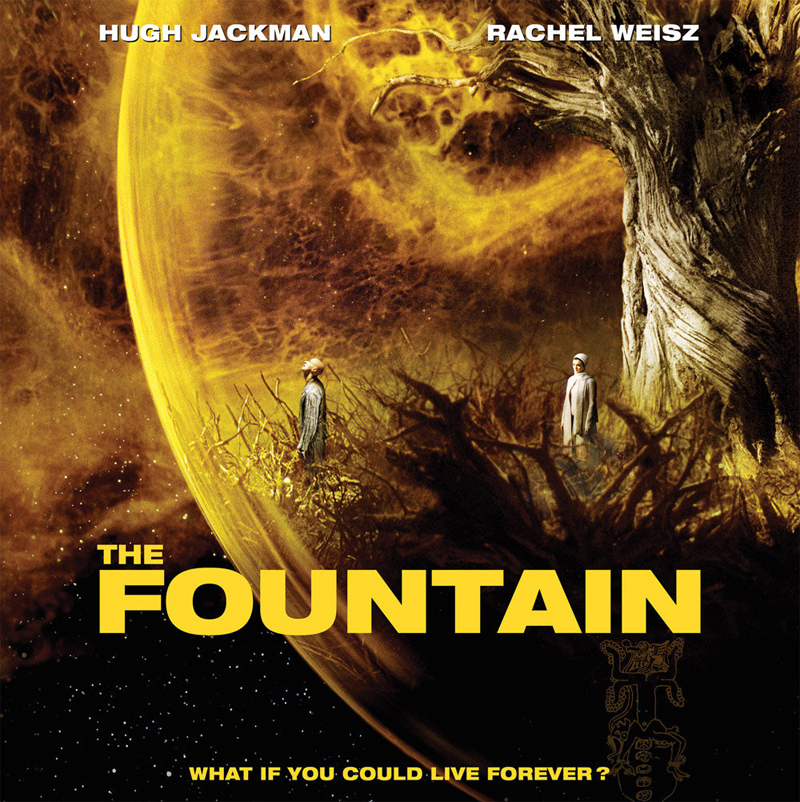
If you’re looking for a movie about life and death that’s unique, epic, beautiful, and symbolic – then I recommend The Fountain. This movie had a very troubled history with a bloated budget and creative differences which ultimately led to its unraveling. Only five years later were the filmmakers actually able to complete the film with significantly less money, only to have it savaged by critics and thrown into the corner.
I understand why people didn’t like it, because to be honest – it’s very confusing! It appears to be an unstructured collection of ideas and beliefs about humanity’s battle with death.
“Spanning over one thousand years, and three parallel stories, The Fountain is a story of love, death, spirituality, and the fragility of our existence in this world.”
– IMDB
Hugh Jackman plays three different characters in three different eras; 1500 A.D., 2000 A.D., and 2500 A.D., The past, the present, and the future. In all three he plays characters attempting to cure death – A conquistador searching for a tree that is said to be the fountain of youth, a scientist searching for a medical cure based on samples from the life-giving tree, and a futuristic space traveller attempting to reach a distant golden nebula in order to save the tree from dying.
Did that make sense?
I think I understood the main point of this film, but suspect I probably didn’t. The plot being spread over three different time periods suggests to me the the theme is: death is incurable. If they were searching in the past, are still looking for a cure now, and will continue on in the future – then it’s a lost cause. That doesn’t, though, mean that the movie is void of hope.
Darren Aronofsky – director of Pi, Requiem for a Dream, The Wrestler, and Black Swan – did something that was very unusual for him. He took on a big-scale project and attempted to make a modern 2001: A Space Odyssey. My university lecturer referred to this film as a “failed masterpiece” and I can understand why. Whether it’s a failure or not is something you’ll have to decide for yourself, but it’s clear why the movie carries such a bittersweet reputation. It’s one of those experiences that you walk out of thinking “I’m not exactly sure what the hell that was all about – but it was clearly profound.”. Concepts about meditation, purpose, meaning, time, space, and the quality of life versus the quantity are all poured with equal measure into – The Fountain.
The great thing about Disney-Pixar is that they don’t shy away from harsh realities, despite making movies for children. It’s important to ease kids into the discussion of death from an early age, because – if you don’t, life sure will in a much crueler way. The creators of Up understood this and made a family films that dealt with the sadness left behind after a loved one passes on.
“After his wife dies, 78-year-old Carl ties thousands of balloons to his home and sets out to fulfill his lifelong dream of seeing the wilds of South America.”
– IMDB
Don’t worry, it’s not Pixar’s version of Schindler’s List, but the opening 10/15 minutes of the movie include a montage that will break your heart a thousand times over. It then goes on to give you an uplifting tale (get it?) about enjoying life and pursuing dreams even when you’re at your most melancholy. If you want less of deep professorial piece, and instead a simple emotional experience that leaves you happy, try going Up.
Both these movies are musings on death as an event, and the life that goes on afterwards. I could point you in the direction of thousands of movies which include the death of central characters. Hell, nothing is as essential to almost any movie as death. It’s by far the most overused source of internal emotive conflict ever depicted on the silver screen, and of course that’s the way it is. “What’s the saddest thing ever, man?” – “When someone dies!” – *Writers give themselves a high-five*.
Ok, so snatching a lovable personality away from the bosom of an audience is gut-wrenching, but what happens to them after they exit the frame?

I’ll give you my opinion of the afterlife at the end of all this, cause I know you’re all just dying to hear my neural diarrhoea on that particular subject – as always. First, however, I want to divert your attention over here:
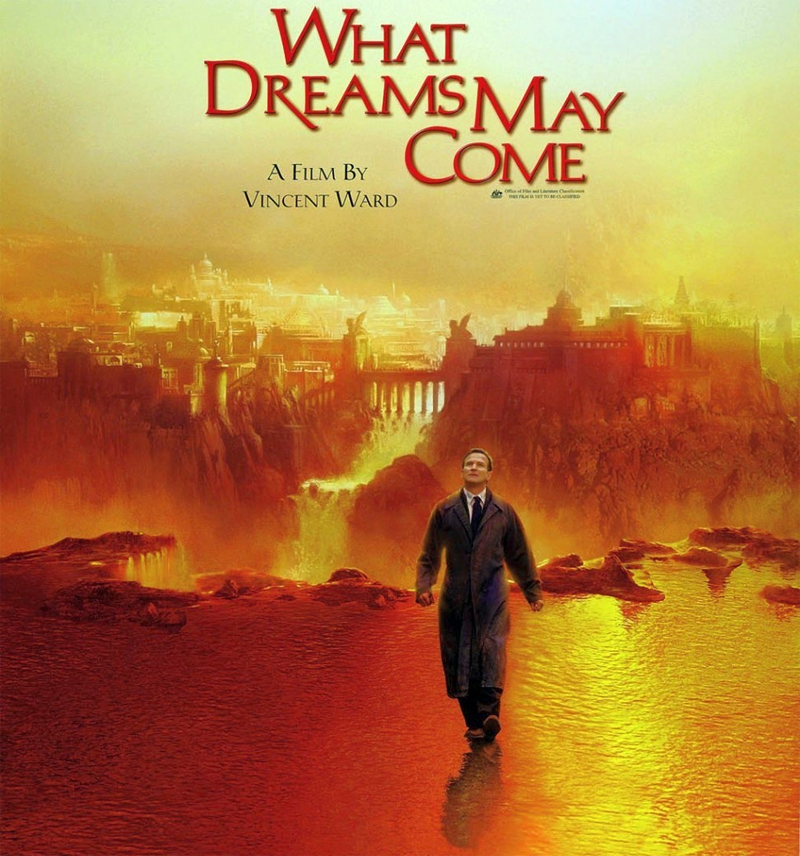
What Dreams May Come is what happens when someone tries to literally put their vision of heaven on screen. That is, if it actually is heaven. There is the suggestion by some that this film depicts purgatory, ergo we never truly see the real heaven on screen.
“After dying in a car crash a widowed man searches the afterlife for his wife.”
– IMDB
Vincent Ward really pulled every string to try and give us visions we’d never seen before, complete with living paintings and epic scenery. Nowadays CGI green-screen backdrops are commonplace, but the visual-effect-undertakings that this film has to offer were pretty mind-blowing back in 1998. I’m a little torn on it myself because depicting the afterlife as some sort of sweeping Lord of the Rings fairytale almost seems to be missing the point. There is an assumption that the afterlife is automatically grander in scale than this life. Well, the universe is made up of billions of stars inside trillions of galaxies light years apart – so how much grander does it need to be exactly? On the other hand – it’s a film! What’s the point of a film if not to utilise the visual tools that the medium provides. Only in the movies can we mix intimate storytelling with awesome moving imagery. What the hell, go for it!
Also, I can’t hate this movie – because it features a cameo from Werner Herzog as a hell bound suicide victim buried up to his head in sand!
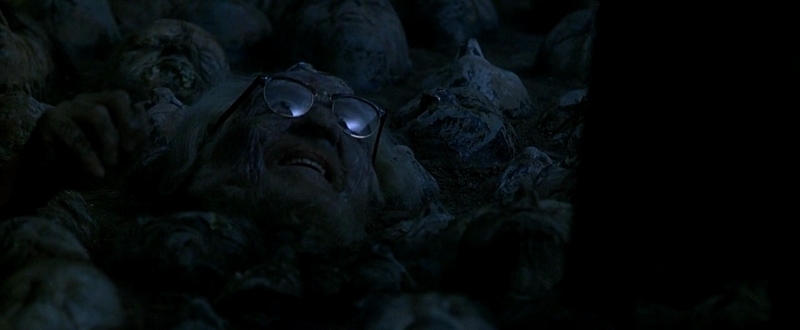
Nice touch, but for me the movie’s scenery is not the most important thing in it. The small moments are the keys to its true dramatic potential. Forget the large backdrops, the flying people, the painted landscapes, and the fantastical action scenes – what’s most moving about the film is the quiet cathartic moments when Robin Williams searches for his children. It cuts right to the heart of why people believe in heaven in the first place; so they can see their lost loved ones again. Take the following scene, for example, where Williams describes memories of his daughter to a stranger he meets in the afterlife. Perhaps it requires the context of the entire film to truly affect you – but we’ll see…
Talking of epic backdrops, Peter Jackson‘s last film follows a similar line.
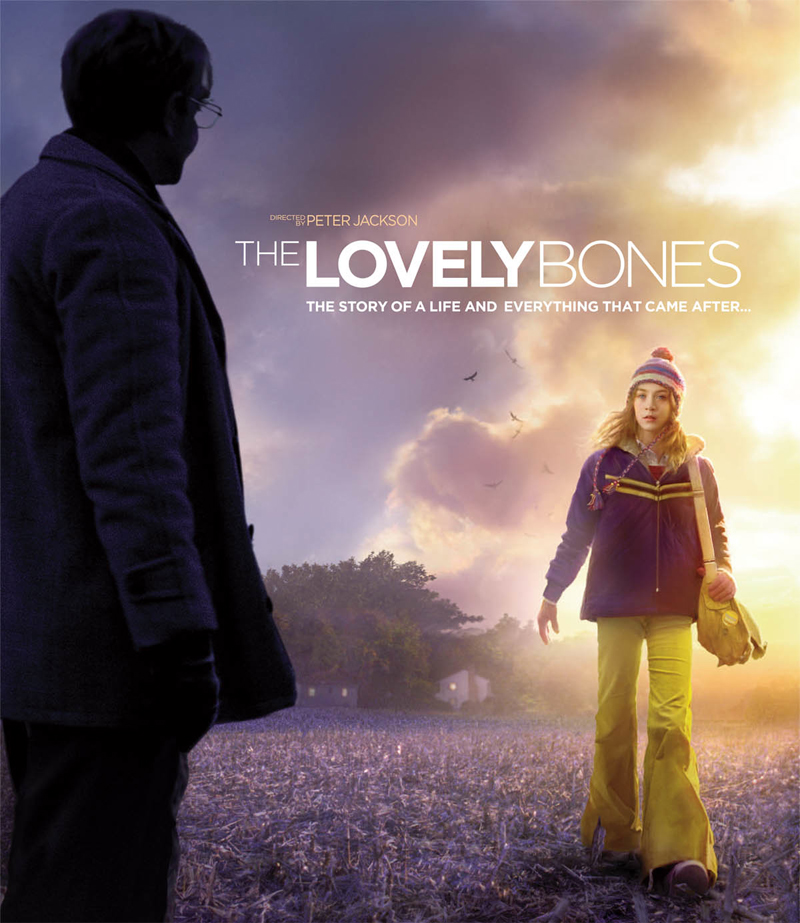
“A young girl who has been murdered watches over her family – and her killer – from heaven. She must weigh her desire for vengeance against her desire for her family to heal.”
– IMDB
This movie is actually much darker than any of those previously mentioned because of the way that the central character dies. I remember watching it and wondering exactly how Jackson was going to depict the murder of a little girl. It’s a hard thing to decide how much you should show, and when it happens it’s both graphic and gentle all at the same time. I thought he handled it very well, and the whole piece reminds me a lot of one of his earlier films – Heavenly Creatures.
Originally this movie was going to be directed by Lynne Ramsay, who later went on to direct We Need To Talk About Kevin, and the critics of the film would eventually declare their passion for “how things could have been” if she had stayed with the project. I’m not so sure. While the film as it is now certainly plays light and fluffy with many of its more nihilistic themes, there is a delicate balancing act being attempted here. If you think it’s a failure then you at least have to admit that it’s an honourable failure.
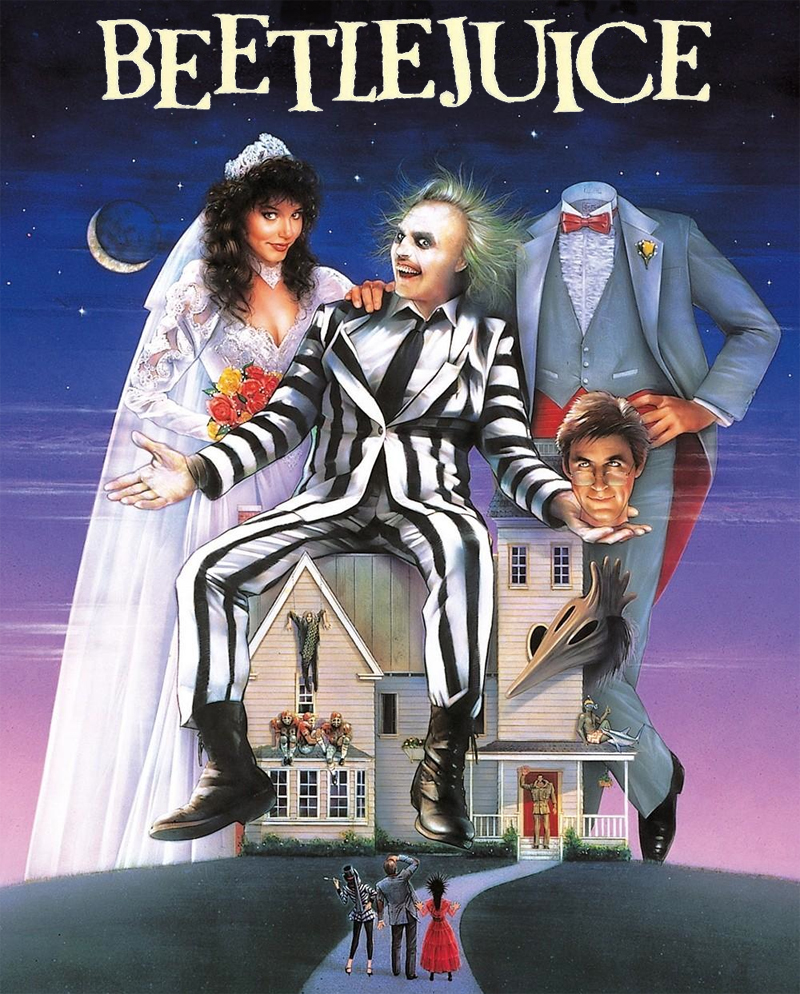
Who says the afterlife has to be all peaceful and rich with tranquility? I feel like someone one day asked Tim Burton about the hereafter and his answer was to make Beetlejuice. Sure, it’s a very “interesting” envisioning of the great beyond – with planetary deserts and giant sand-shark monsters – but can you honestly tell Tim that he’s wrong?
“A couple of recently deceased ghosts contract the services of a “bio-exorcist” in order to remove the obnoxious new owners of their house.”
– IMDB
The twist is that the main characters are ghosts trying to exorcise the humans who are haunting their home, as opposed to the other way around; a great idea marvellously realised.
In Tim Burtons world; when you die you become a “floating dead” and you can do anything. That’s the fun of the movie. It’s like a child making up a story, with loads of “and then”s continuously propelling the plot into stranger and stranger territory. It makes about as much sense as the poster would suggest. Maybe it’s not a serious look into the central questions surrounding human mortality, but hey – if all opinions are valid then this one sure is too.

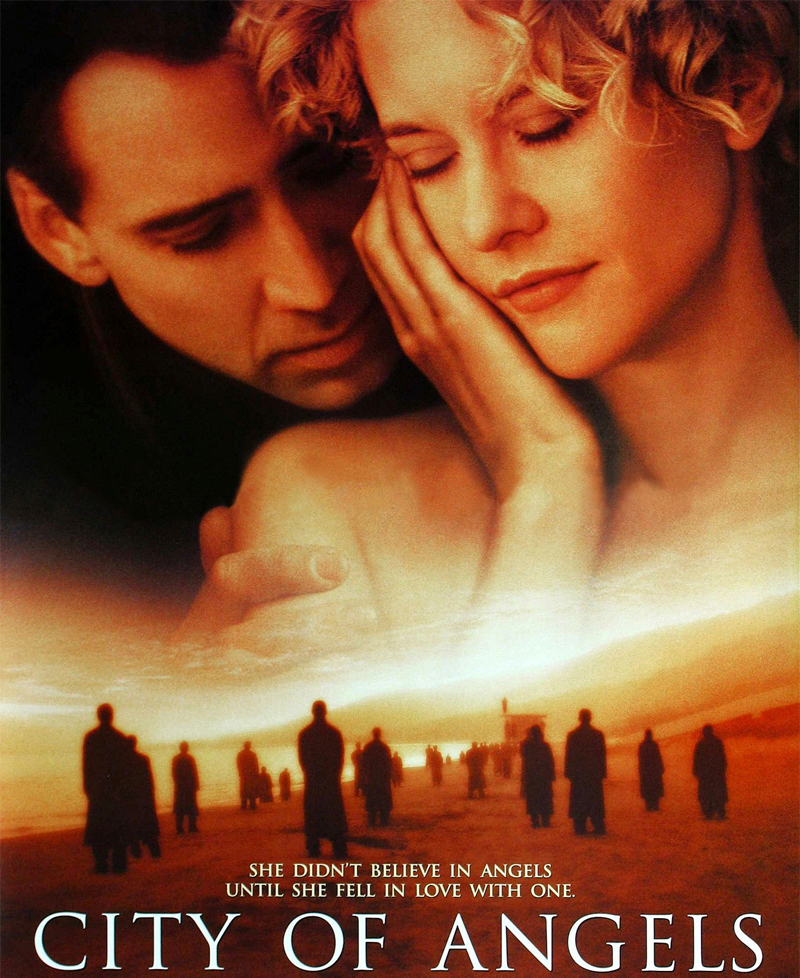
“She didn’t believe in angels until she fell in love with one” Nawww, is that just a sappy tagline or is it actually the plot?
“An angel, who helps ferry the dead to the afterlife, is spotted by a female doctor in an operating room and the two fall in love.”
– IMDB
Oh, it’s the plot. Ok then…
So, in this movie we see angels walking invisibly amongst us, reading our minds and guiding us through life. Just as with What Dreams May Come, the important emotional points come into play every time the lovers are reminded of their separation. Death is the wall that separates them and each character is on either side of it, an all too familiar reality for many of us.
The only thing that can unite them both is if one of the characters commits an act akin to suicide. If or how they make that change…you’ll have to find out for yourself. That’s part of the journey you’re on when you watch it. I’ll admit that I liked this movie and was surprised by some of the tragic turns that it ends up taking. If you think this movie will simply fade out as the couple walk down the beach into a warm glowing sunset then you have a few surprises in store.

People use the word closure a lot when they’re talking about the recently deceased. You hear statements like “I haven’t had closure” and “maybe such-and-such will help you achieve closure” all the time. I’ve never felt the need for any sort of closure after someone I know passes, so I suppose I’m not qualified to talk about it…
…and therefore, here’s me talking about it.

No modern film director is more obsessed with death and the afterlife than M. Night Shyamalan, so I would be remiss to not include him here. Four of his first films; Wide Awake, The Sixth Sense, Unbreakable, and Signs all dealt with death, belief, and immortality in their own way. He seems to have an obsession with these core issues. The movie which most deals with closure is of course The Sixth Sense.
Unfortunately I can’t really explain how, because to do so would give away important parts of the plot – so I’ll keep shtum. Seriously though, if you haven’t seen the ending to The Sixth Sense you need to watch it right now!
This movie is remembered as a horror flick, and it certainly has some very scary moment, but in the end it’s actually a drama about a little boy who’s cut off from the world because of the phenomena’s he experiences. When you’re not jumping out of you seat you’re merely sitting there feeling endlessly sorry for this child who is suffering so much right in front of your eyes.
The Sixth Sense might not be the best recommended viewing experience for when your feeling sad, safe for the ending. A horror movie isn’t generally everyones first choice to cope with a bad situation, but if you can find the worthwhile drama that’s baked into this particular cake and take something from it – then it’ll be a good investment of your time.
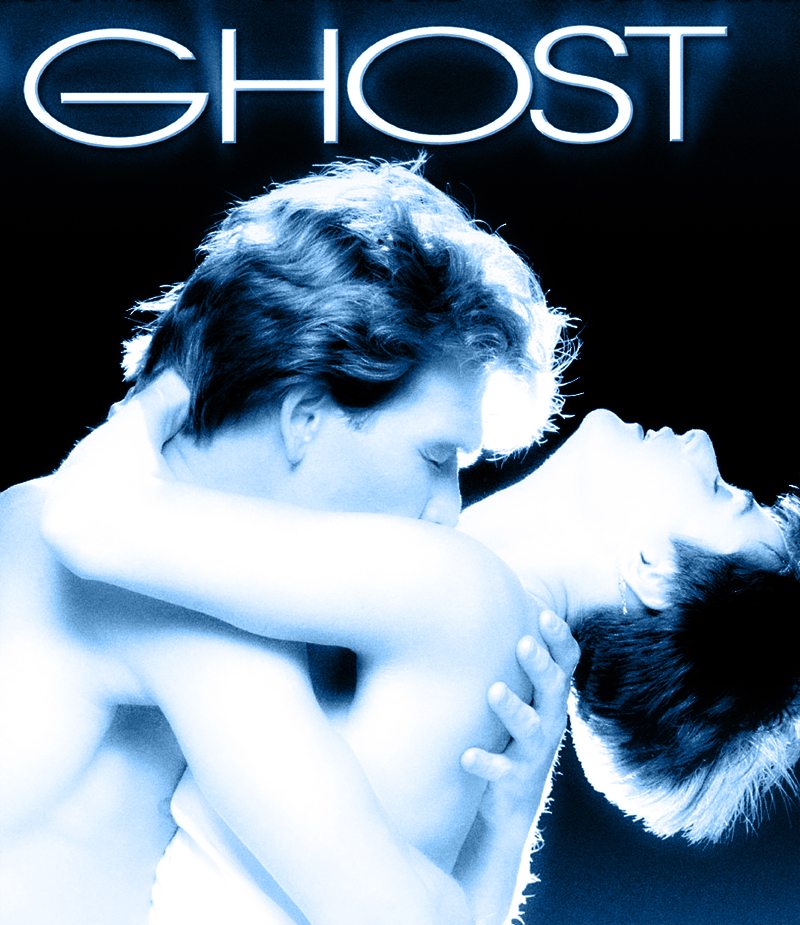
Alright guys, you knew it was coming and here it is. You cannot talk about life-after-death movies and not mention Ghost. Ghost has everything you want in a film, and thats clearly why it’s remembered so fondly. It has a good premise, great actors, funny dialogue, danger, groundbreaking effects, and of course (as the poster suggests) a little bit of romance too. If you’re sitting there thinking to yourself “Hmm, don’t think I’ve ever seen Ghost.” then I’m sitting here looking like this:

Not possible! I can’t believe it! I won’t!
Well, if it’s true then here’s the synopsis for you…
“After being killed during a botched mugging, a man’s love for his partner enables him to remain on earth as a ghost.”
– IMDB
…and now here’s the ending of the film. That’s right, I’m spoiling it for you. It’s your own fault for not seeing it even after it’s been available for 22 years. The final scene of Ghost is so damn touching that it’s impossible to overstate. This is the film you cuddle up on the couch with when you want to have a good cry, and I stress the word good. The most powerful thing in this clip is the look on Demi Moore’s face. It conveys what she’s feeling so perfectly; that moment she never thought would happen, where she is actually given a chance to see her long lost love after all this time.
If that doesn’t make you cry then you must be…me!
I don’t cry because apparently I’m an iceman with a heart of coal, or so everyone tells me, but that doesn’t mean I don’t cherish it in my own internal way. The music, the framing, the lingering stares, and the watery eyes – this is sentimental art of the best kind. If you say it doesn’t choke you up even just a little, then you’re lying!
Wow, I ended that with a sweeping accusation, nice. Way to get the readers on my side.
Ok, so Ghost is great…but it’s not the best. Believe it or not, it’s actually not my favourite movie about death, the afterlife, love, and closure.
This is…
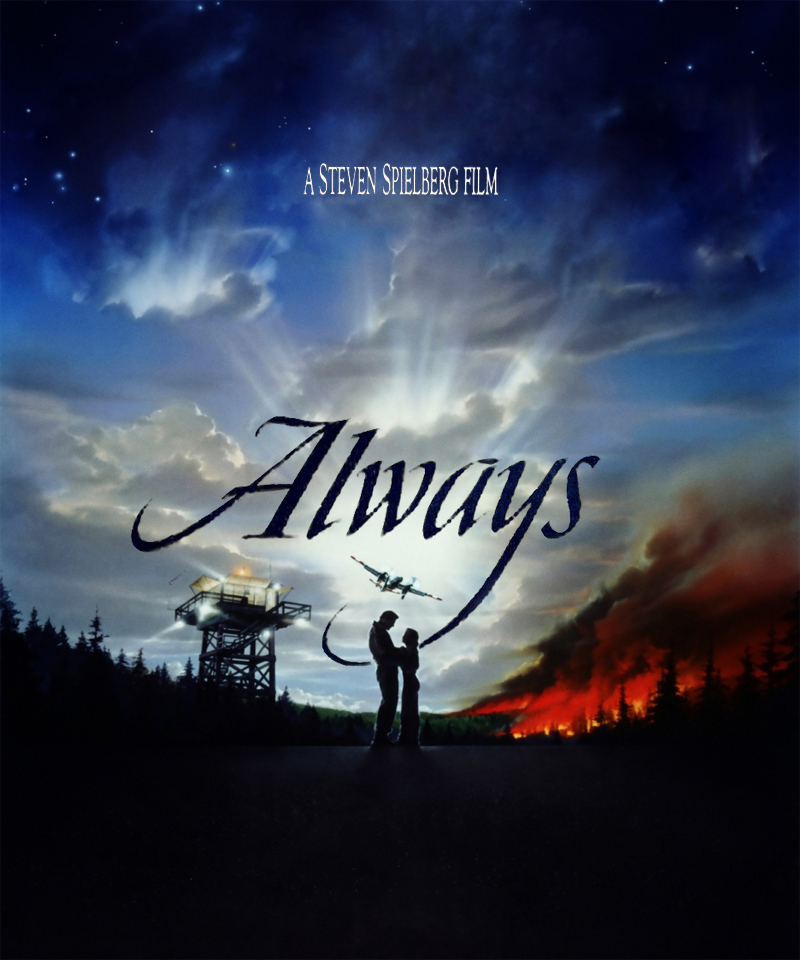
I love Always. The reason why it’s not as fondly remembered as Ghost is because…to be honest it’s very similar.
“The ghost of a recently dead expert pilot mentors a newer pilot, while watching him fall in love with his surviving girlfriend.”
– IMDB
You can see why people would feel forced to choose between them, but here’s the kicker; Always was made before Ghost. Does it really matter though? Always may be my personal favourite, but that doesn’t mean that have to choose one instead of the other.
Now what’s so great about Always? Well, it has a lot to do with Steven Spielberg – he simply is the greatest. The story is gorgeously told through a magical use of cameras and editing with a perfect cast. You just can’t go wrong with Richard Dreyfuss, Holly Hunter, and John Goodman. The best thing for me isn’t just that it’s beautifully sad when it needs to be, it’s also funny. It’s really funny. Take this scene, for example – where Dreyfuss’ character realises that even though he can’t communicate with the living, he can affect their thoughts and actions…
The central theme is that Dreyfuss needs to help his friends move on with their lives after his death. That’s not an easy thing to do, for either him or them. At the same time he must pass on the skills and positive qualities that he possesses to a fresh pilot, also not a simple task for an arrogant one. It speaks to a defining element of mankind; the importance of passing on our dreams, memories, and love to one another – imparting our happiness to others.
Alright, So now we know what Darren Aronofsky, Vincent Ward, Peter Jackson, Tim Burton, M. Night Shyamalan, and Disney-Pixar etc. have to say about death. It’s all very interesting, and certainly worth exploring, but what do I have to say about death? Not much of importance I’m afraid. I’m less interested in talking about death than I am in talking about…
…and by that I don’t mean “life after death”, I mean life.
I don’t believe in the afterlife. That’s not to say that those who do are somehow stupid fools, just that it’s not my thing. I take pleasure from what I know, and the things that I don’t know are fun to speculate and great to be entertained with – but ultimately they’re less interesting to me. What exactly do I mean by that? Well, I know it’s been a long post and I’m sorry about that, but if you’ll lend me your attention for a few more paragraphs I’d really appreciate it.
I want to engage you in a simple exercise:
Hold up your right hand and look at it. …ok not forever, I still need you to read what I’m writing. So you’re looking at your hand and thinking: “Why is he asking me to do this? I’ve seen my hand a million times before. In fact it’s one of the things I’ve seen the most in my life, it’s never more than an arms length away from my face.” Those things are all true, but I’m going to try to make you look at it a little differently.
(By the way, if you’re an amputee then I’m so sorry but this will probably not be wholly successful.)
Now, as you look at your hand, begin to think of it as a collection of unified atoms rather than a single appendage. It’s a boring scientific fact that you may take for granted, but your hand is a collection of protons, neutrons, and electrons. However, have you ever thought of where those atoms come from? Every example you can find of every element on the periodic table was once formed in the bowels a star. Afterwards they travel to and fro among the universe, in and out of galaxies, solar systems, and planets; a constant diffusion of particles.
I now want you to hold up your left hand and look at it. Again, “…a collection of atoms. So what?”. Well what if I told you that the atoms in your left hand come from different stars than the atoms in your right hand? And that, considering the vastness of the universe, those stars more likely than not exist at completely opposite ends of it. That means that those atoms have been travelling for up to 14 billion years, since the birth of the universe itself, through the tapestry of space and time – and have ended up here in the tips of your fingers, or to form the lines in your palms. Everything that you will ever do with your hands – picking up things, putting them down, reading a book, cooking food, eating, playing sports, making art, making love, building something or destroying it (and in my case writing this blog) – will be done with the use of those atoms. They will be there for you every time you need to reach out and caress someones hair, every time you hold your child, every time you use a weapon or physically deter someone from using theirs. You have these atoms at your disposal and what you do with them is up to you. They don’t ask for anything in return, nor can they make any promises. They just exist, as do you, and as do I…for a little while.
Then when your time is up, or mine for that matter, the atoms will no longer be held together. They will disperse back into the earth and eventually into the space they came from. They will travel on and become part of other planets, perhaps even ones with their own forms of life – and again be part of someone else’s existence. If you want to see it as something which unifies us, brings us all together, then I can certainly get onboard with that. For me, this most astounding fact has been best summarised by the evolutionary biologist Richard Dawkins…
“Matter flows from place to place and momentarily comes together to be you.”
– Richard Dawkins
…and that’s it. That is life in a nutshell. Maybe it sounds cynical or nihilistic to you, but I think that upon further dissection that statement turns out to completely sum up the wondrous simplicity of life. We all want to make our existence, and the existence of those we love, into some sort of cosmic pinnacle by believing that death can be survived somehow. Well maybe we can’t survive our own death, we can’t beat the physics, but what we can do while we’re alive is so much more important – don’t you think? The lives we change, the memories we impart, and the art or poetry that we create will all outlive us. For one brief moment in time; you existed, you loved, you laughed, and you cried. You had bad luck and good luck, ultimate highs and ultimate lows. Along the way you may have thrown out a sentence or two to a passing stranger which meant nothing to you, but may have changed their outlook completely. The things we do that we consider trivial and unimportant can often have the greatest impact, and we’ll never even be aware of it. There is no such thing as an insignificant person, even if there are 7 billion souls to compete with. I don’t care if there are 107 billion, nothing you do will ever be completely lost on the world. A human life may just be like a flash bulb that goes off once. Comparatively it blinks for only an instant, but can shine with a remarkable brightness.
I want you to look at your hands again for one last time. Take a good long look. Those hands are borrowed, those atoms are borrowed, you don’t get to keep them forever. What matters is what you do with them. What are you going to touch? What are you going to show? What are you going to make, break, paint, patch, and plaster? Who are you going to hug or punch? Will you learn an instrument – or sign language? Whatever you do, those hands and those atoms are there with you every step of the way. They’re yours to build the kind of life and legacy that you want to carry on after you in any and every way that it can.
I know some people pray and attempt to talk to the dead in various ways. I’m afraid I don’t participate in that sort of activity, but instead I make it a point to remember the deceased. I try to remember the effect a lost loved one has had in my life; to remember what they said, what they did, and how they might have handled the situations I now have to face going forward. When a movie that you like ends, it’s sad, but what that experience has given you is something to be utterly thrilled about. Likewise; death is sad, but we can take comfort from the fact that those who are dead were once alive, and that for that brief moment in time…we were privileged to know them.
– Rant Over
Eulogy

I’m having to write this post as quickly as I can, so I apologise if it’s a little messy, but that’s the price you pay for trying to be topical.
By now everyone will have heard about the tragic news of Tony Scott’s death. If you haven’t then…
On 19 August 2012, at approximately 12:30 p.m., Tony Scott committed suicide by jumping off the Vincent Thomas Bridge in the San Pedro port district of Los Angeles, California. Investigators from the Los Angeles Police Department’s Harbor Division found contact information and notes to loved ones in his car, which was parked on the bridge, and a suicide note at his office. Witnesses said he did not hesitate before jumping.
– Wikipedia
It’s a bit surreal to be honest with you. I keep thinking that soon they’re going to announce that it’s all a case of mistaken identity or something. It’s made all the more bizarre by the apparent lack of logic behind it. No one can seem to think of a reason why he would do it. He had a beautiful wife, two sons, millions of dollars in the bank, and a continuously thriving career. If that career is obscure to you in any way, then that’s why I’m here. I’ll take you through the legacy of…

Too much? Meh, there was no “too much” for Tony, why should there be for me?
I probably should have explained who Tony Scott was for those who don’t know. Tony Scott was the younger brother of Ridley Scott. Both of them were film directors, but on opposite ends of the industry. Sir Ridley, as we must legally call him, is known for creating epic artistic and stylised masterpieces that critics often praise endlessly. Tony, on the other hand, made what was seen as pure entertainment. Believe me, that’s not a criticism – he was really good at it.
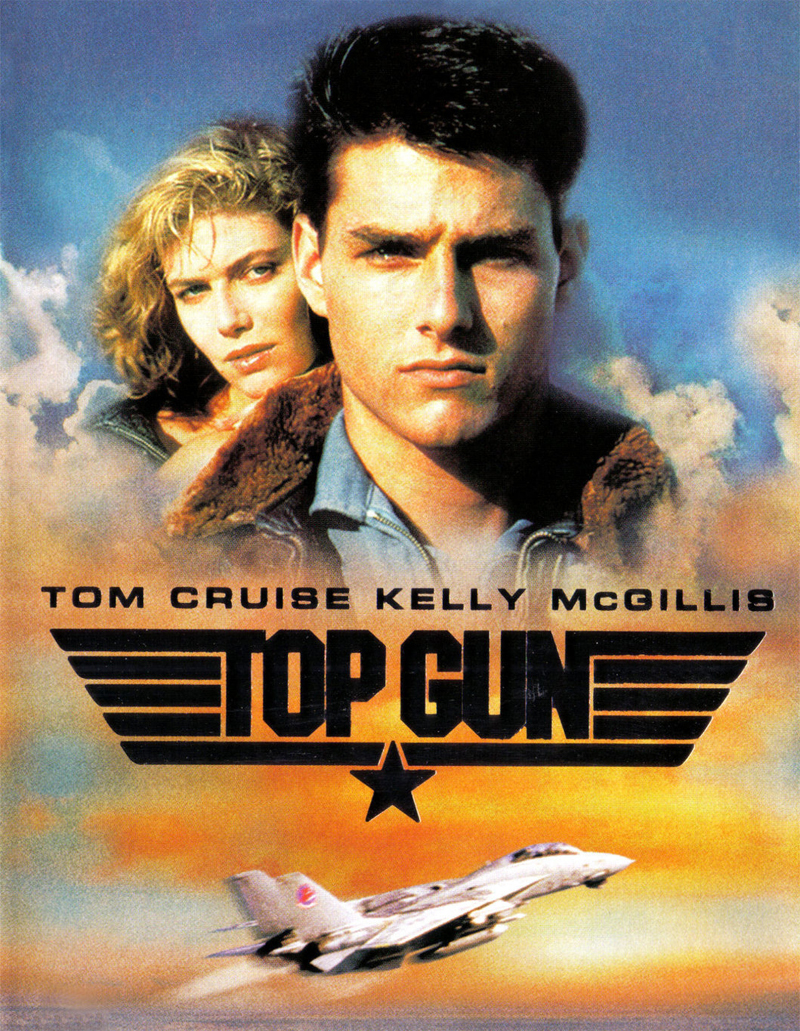
To tell you the truth I didn’t like Top Gun all that much when I saw it. It’s one of those movies people talk about endlessly so you feel like it should be the best action film ever. To me it wasn’t, but I certainly understand the significance and cultural importance of it. It was a big movie for Tom Cruise and of course we all know it’s laced with steaming hot homosexual subtext. You know it had a profound impact on cinema history when you consider that the studios decided to re-release it in 3D.
Top Gun 3D (1986) trailer

See my Badlands/True Romance recommendation for further detail on this one.
True Romance (1993) trailer
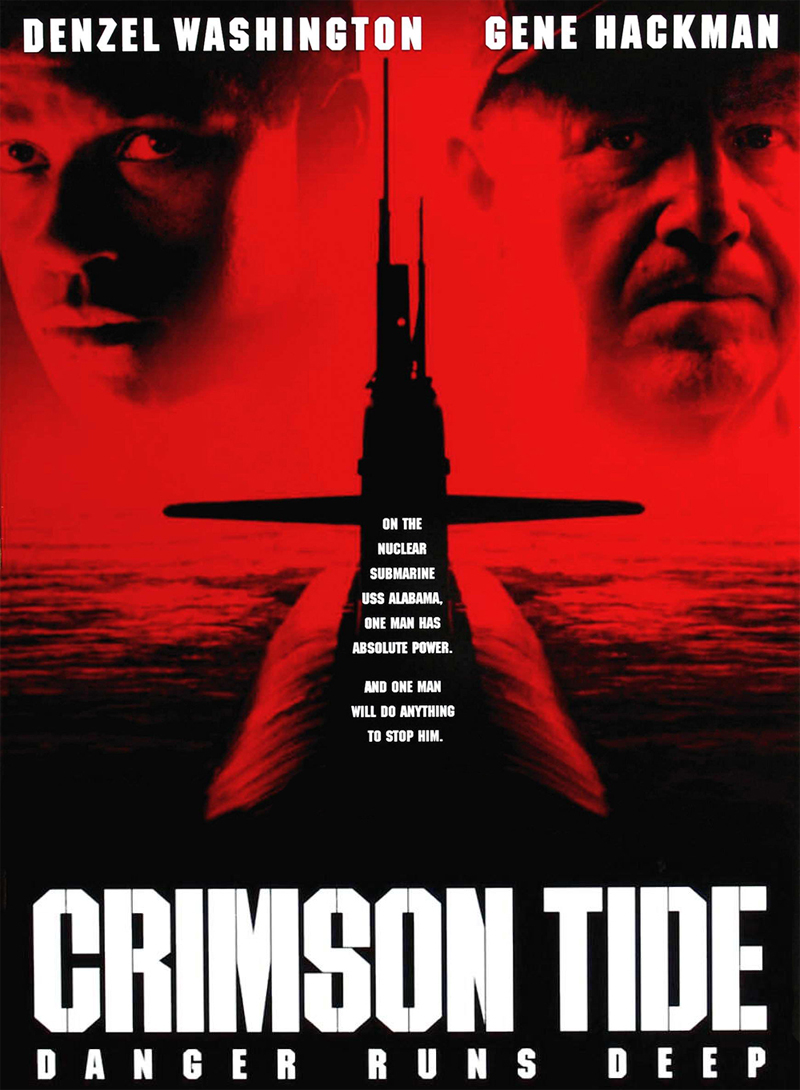
Crimson Tide is probably Tony Scott’s best film. It’s his Godfather, his Taxi Driver, his The Dark Knight. Not that I think those three films are all that great – cause…I’m unusual – but most people agree that they’re cinematic gems. Well, I would add Crimson Tide to the list. It’s phenomenal!
The film explores the immense responsibilities of someone in charge of a nuclear submarine. Gene Hackman plays the captain and Denzel Washington is his second-in-command. Tensions are building between America and an ongoing revolution in a foreign superpower as they take the USS Alabama down to the depths of the sea. Suddenly there is an alert followed by a complete loss of communication. No one on the sub knows what’s going on out in the world, but soon a devision of opinion occurs as to what they should do. Half the crew wants to launch a nuke, the other half is hesitant. Washington and Hackman each take sides, leaving the fate of the world in the clutches of an argument.
The movie is just beautiful, utilising pure contrasting colours like blue, red, and green to highlight the conflicts both within and between each character. This was Tony Scott in his prime, and it shows.
Crimson Tide (1995) trailer
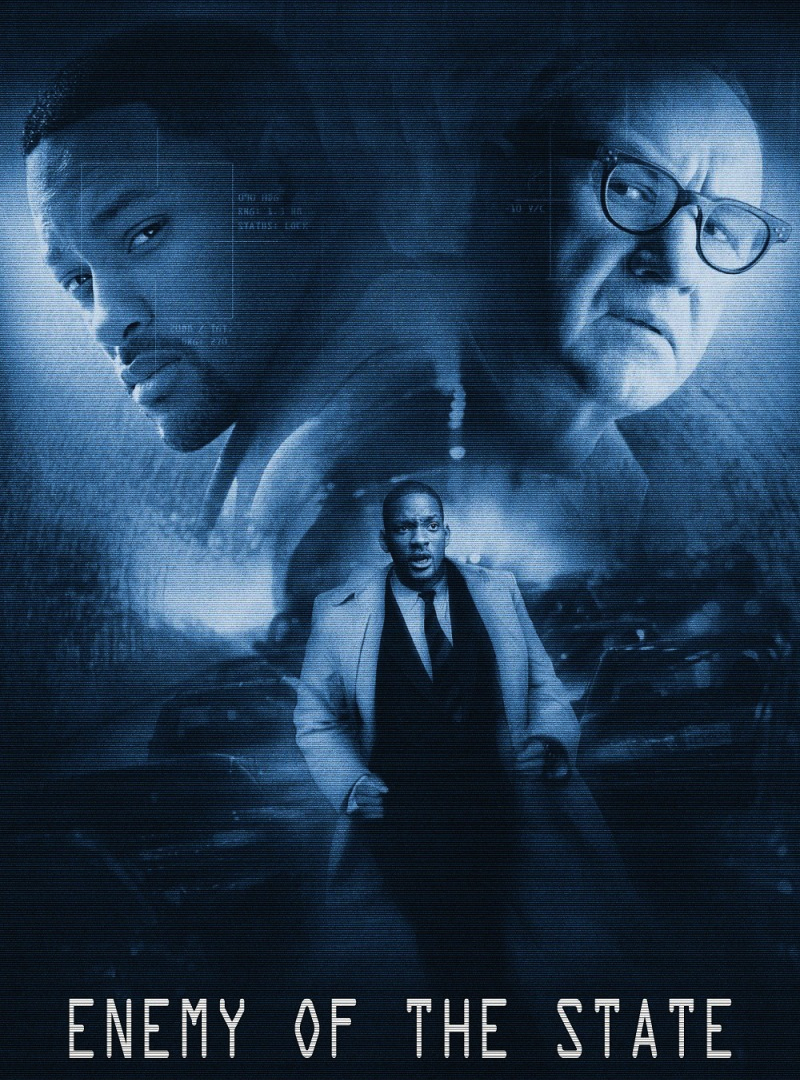
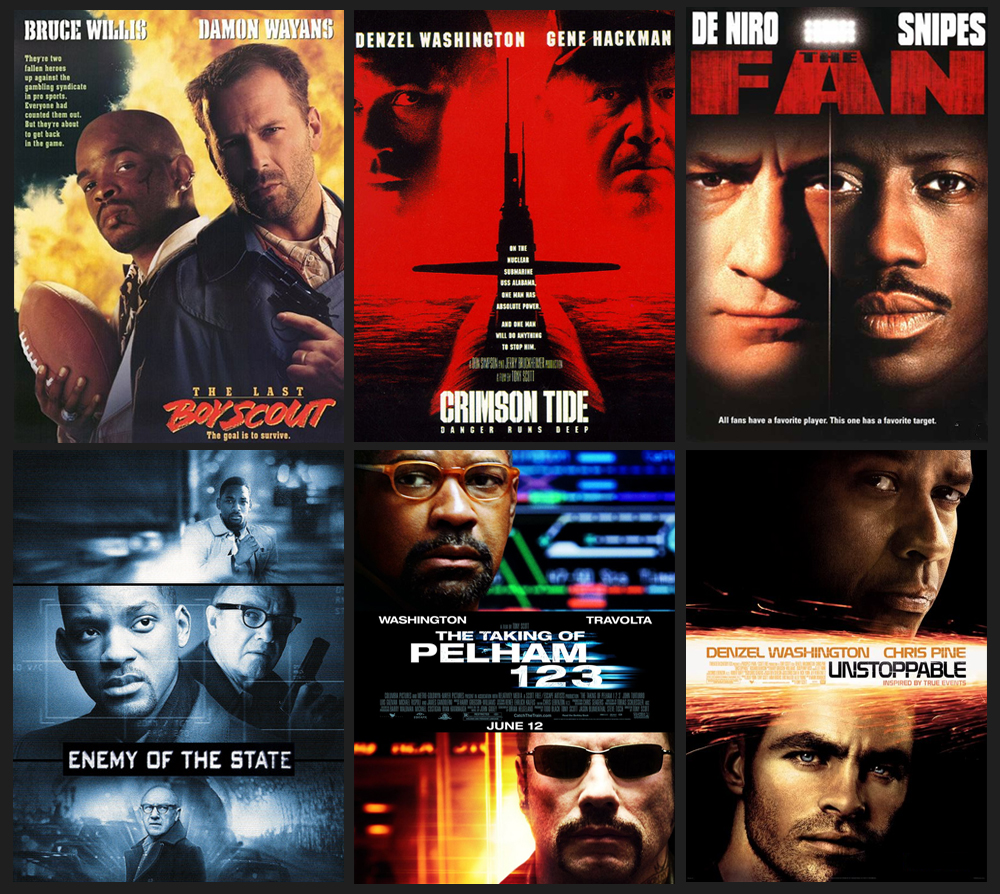
Notice how similar the posters are for both Crimson Tide and Enemy of the State? It seems that Tony had a thing for pairing up Gene Hackman with various african-american counterparts. In fact, he seemed to have a deep seeded love for the entire “white guy – black guy action movie” concept.
No matter, Enemy of the State is another triumph as far as I’m concerned. It dives into another very real and continuously growing issue, which is the governments ability to spy on you through technology.
Enemy of the State (1998) trailer
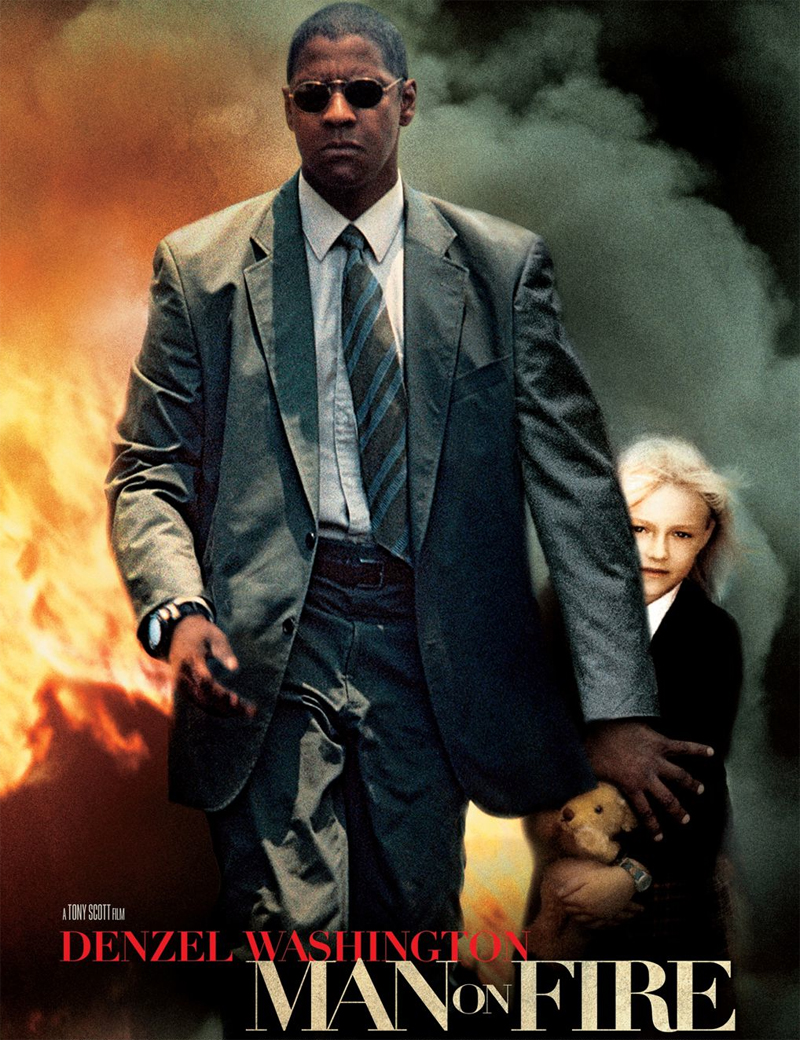
…and now we come to Scott’s modern masterpiece. It’s not quite as good as Crimson Tide, but frankly that’s splitting hairs.
If you don’t know the story of Man on Fire; it’s about a former assassin named Creasy, with a mysteriously tortured past, who is hired to protect the daughter of a wealthy businessman. The two make an emotional connection and he soon finds her presence to be an improving quality in his life. Then – she’s kidnapped and killed, and the results are exactly as you’d expect when take away a professional assassin’s only source of happiness. Creasy begins a revenge spree, unleashing his own personal holocaust on the organisation that wronged him.
This movie was not as pulpy and fun as Tony’s other movies. It was very serious and edgy, with far more intense violence than anything he did before or since. This made is quite possibly the most hardcore film he ever directed, but the emotional scenes are as beautiful as anything you can imagine. The chemistry between Denzel Washington and Dakota Fanning plays so wonderfully that when that connection is lost – you really feel it.
Man on Fire (2004) trailer
Tony Scott made a lot more films than this, and there is something fun, enjoyable, and worthwhile in all of them. These are just my personal favourites (aside from Top Gun which is there for its historical importance).
I urge everyone to go out and rent at least one Tony Scott film that you haven’t seen yet. I promise you that his work, particularly in the 90’s, will put a grin on your face almost instantly.
I’ve seen a lot of news outlets printing the line “Tony’s films was not as popular with critics as his older brother’s films were, but they were watched by a large audience.”. I’d like to fly the flag for Tony here and now. He was an entertainer, he wanted people to have a good time. Isn’t that what a film director should do, first and foremost? Tony didn’t just have a love of cinema, he also had love for the audience who payed to see his movies. We should all want that out of a filmmaker.
I almost always had a good time in the theatre watching his movies. To know that it will never happen again is a sad thing indeed.
Tony Scott (1944 – 2012)
Rant Over!
The face of a generation
You might have noticed that I have a certain compulsive nostalgia threaded all through this site – a yearning for a decade past, if you will. What decade? Truth be told I’m a child of the 90’s, so my heart will always lie with The Fresh Prince of Bel Air and R. L. Stine’s Goosebumps books, but I do have a large soft spot for the 80’s. This is because it was my favourite decade for horror films with powerful classics like Night of the Creeps and Hellraiser…what, never heard of them?

But besides these movies, what else defines the 80’s? What about the people? What about the iconic actors? Sure, when you hear that you probably think of Patrick Swayze, Richard Gere, or Harrison Ford. But are there any film-related icons that, were I to post a picture of them now, might just make you go “Oh yeah, that 80’s guy!”. How about…

I understand if you don’t recognise the name (and you’ll be seeing it a lot in this post), but anyone over the age of 15 should certainly recognise his face. This guy sadly never occupied the driver seat of any movie or TV show he was in, but he certainly knew how to liven up the cast list. There was something about Judge Reinhold’s attitude and demeanour that instantly brightened up any scene he was ever in. Jesus, listen to me, I’m talking about him like he’s dead. I assure you the man’s heart is still beating! No – no, he’s not in a coma – or in a prison. He’s just not in a lot of big movies anymore! It’s very sad, because he never got the leading role in a big movie that I personally think he deserved.
Ok, so let’s say that you’re still drawing a blank at this point. You’re saying to yourself “Judge who? I don’t know what he is talking about. I know the 80’s, but I don’t know this guy.”
Maybe this will help you…

Judge Reinhold dressed up as a pirate? This promises good things.
Probably one of the biggest parts Judge Reinhold would ever play was that of Brad Hamilton in Fast Times at Ridgemont High, a young man who has everything…to lose.
Reinhold portrayed an overconfident senior student with a severely punchable face and a perfectly neat life. Nothing ever goes wrong for Brad, until all of it does. He loses his job and his girlfriend at the same time, and as a result is turned into shivering heap of self-sympathy. Will he climb out of the hole? Can anything truly put him back on track as one of the school’s most popular and accomplished individuals – before he graduates? Well, maybe you’ll have to rent Fast Times at Ridgemont High to find out.
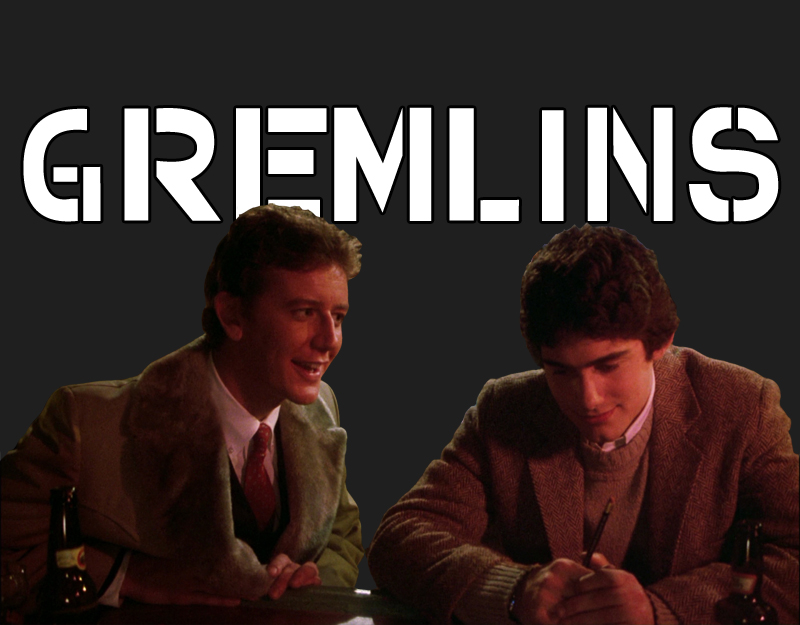
That “punchable face” remark I made before was not meant to imply that Judge himself deserves a punch or physical assault of any kind. What I meant is that he pulls off that kind of character better than almost anyone else, certainly in that decade. The most punchable he’s ever been, for me, is as Gerald Hopkins in Gremlins. A truly mean character who thinks it’s fun to kick people when they’re down and that women respond positively to cruel criticism. He doesn’t have all that many scenes in the movie, but he certainly manages to make an impression. His presence also gives us a stark contrast to the pure benevolence of the main character, Billy Peltzer.
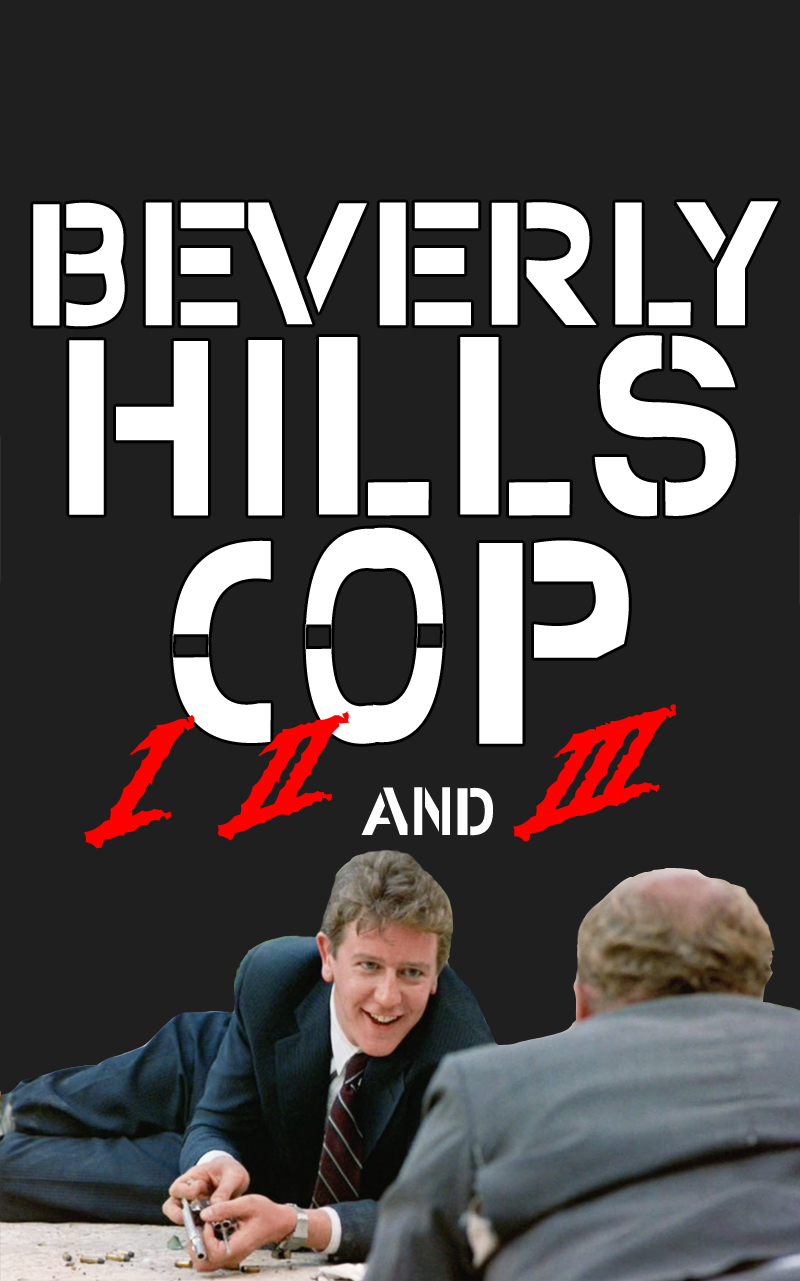
If you’ve heard The Crazy Frog Song and you think it’s original, think again. It’s a remix of the Beverly Hills Cop theme, and who doesn’t like Beverly Hills Cop? What, you’re not acquainted with Axel Foley?
“Axel Foley, A freewheeling Detroit cop pursuing a murder investigation, finds himself dealing with the very different culture of Beverly Hills.
-IMDB
No, Judge Reinhold did not play Axel Foley, Eddie Murphy did. Sure, it was a career-making role for Eddie, but Reinhold’s portrayal of the hapless and clueless Billy Rosewood is a hilarious counter-performance. Rosewood has none of the personality or experience that Foley does, but is infected by a deep admiration for his style, and if you ask me – Reinhold could pull off a perfect rendition of that in his sleep.
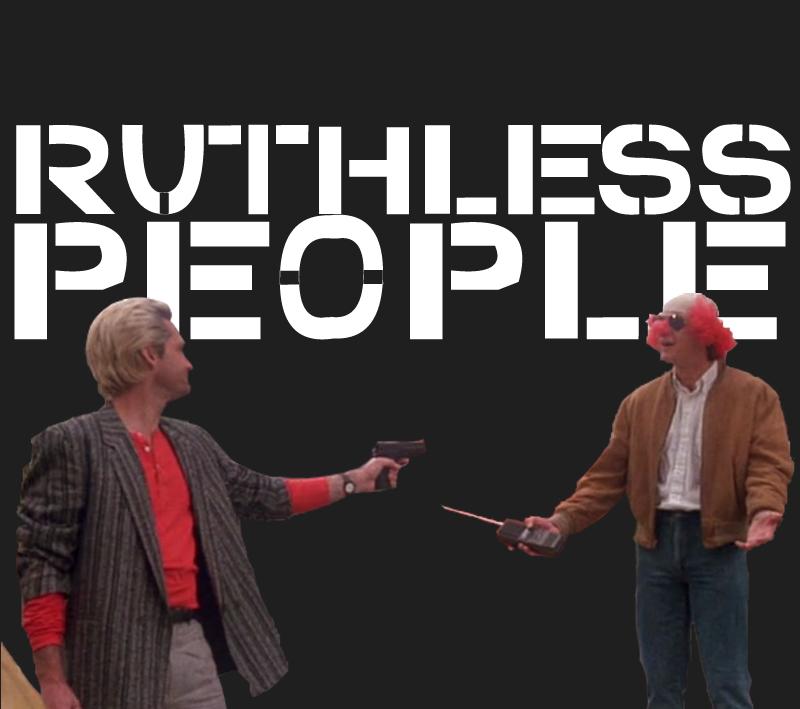
In case you’re wondering – Reinhold is the one in the clown wig, nose, and sunglasses. He seems to have a thing for dressing up in strange headwear.
Alright, so Ruthless People was a surprise box office hit in the 80’s. It’s about a rich businessman who wants his wife dead for economic and personal reasons, only to find out that she has been coincidently kidnapped by two genuinely kind-hearted citizens with a desire to become “ruthless criminals”. Ergo, he must put off paying the ransom and defy the hostage-takers at every turn in order to see her killed whilst still pretending, in front of the police, to care for her wellbeing.
It’s a really funny movie which plays a lot on dramatic irony; the audiences knowledge of something the characters are clueless to. Misunderstandings upon misunderstandings build up into a seemingly unsolvable dilemma for everyone involved. If you’re a fan of movies like Death Becomes Her and Fierce Creatures, you’ll love this one.
The cast includes Danny DeVito, Bette Midler, Helen Slater, Bill Pullman, and of course the true star – Judge Reinhold.

…aaaaand we’re back to the “punchable face” performance, but like I said – no one does it like Reinhold.
Ok, so I know that we’re into the 90’s now and The Santa Clause is a dopey, sappy, comedian-vehicle christmas movie – but I love it! It’s funny, witty, and thanks to Tim Allen it’s also ridiculously sarcastic. Tim, as usual, plays a cynical and fast talking and funny-man who takes the piss out of everyone around him. However, in order to do that he must be faced with someone who has no humour or ability to engage in badinage. Enter Judge Reinhold as Dr. Neil Miller, the most boring therapist ever who just happens to be married to Tim Allen’s ex-wife!
Ok so that’s the key. Throughout all these movies, Judge Reinhold has played ‘the straight man’. He tends to portray characters who are, themselves, not funny. They simply exist as serious figures who take the brunt of the jokes and suffer the consequences of everyone else’s humour. That dynamic, however, is funny – and necessary for the comedy to truly blossom.
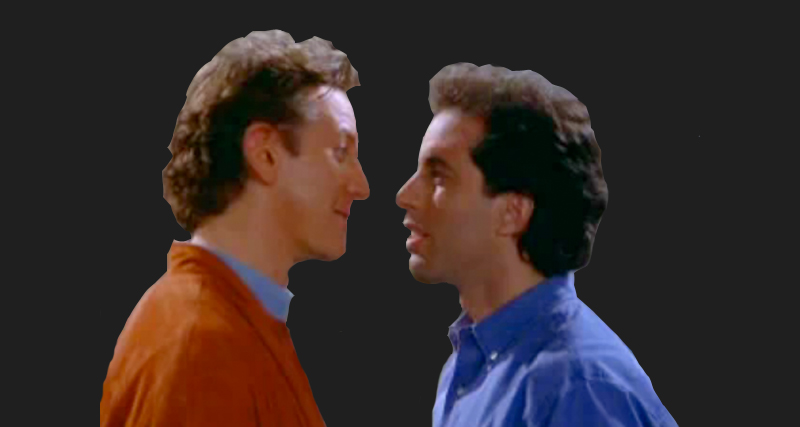
This is why Judge Reinhold is a prime example of a supporting actor. He works hard to bring up the overall feeling of the film. He helps others to give the best performance that they can, and still manages to do complete justice to the character he’s inhabiting. We should all be thankful for actors like him, and make sure to always appreciate the work they do.
Judge Reinhold has acted in 69 movies and 20 television series to date, so this is obviously far from a full list. They are, however, the top five that I recommend.
To finish this off, I’m going to put up an excerpt from Seinfeld where Judge Reinhold played the “close talker”. I hope it helps to show just how much this man’s presence can bring to a scene. Enjoy!
Rant Over!
 Cinema Rant